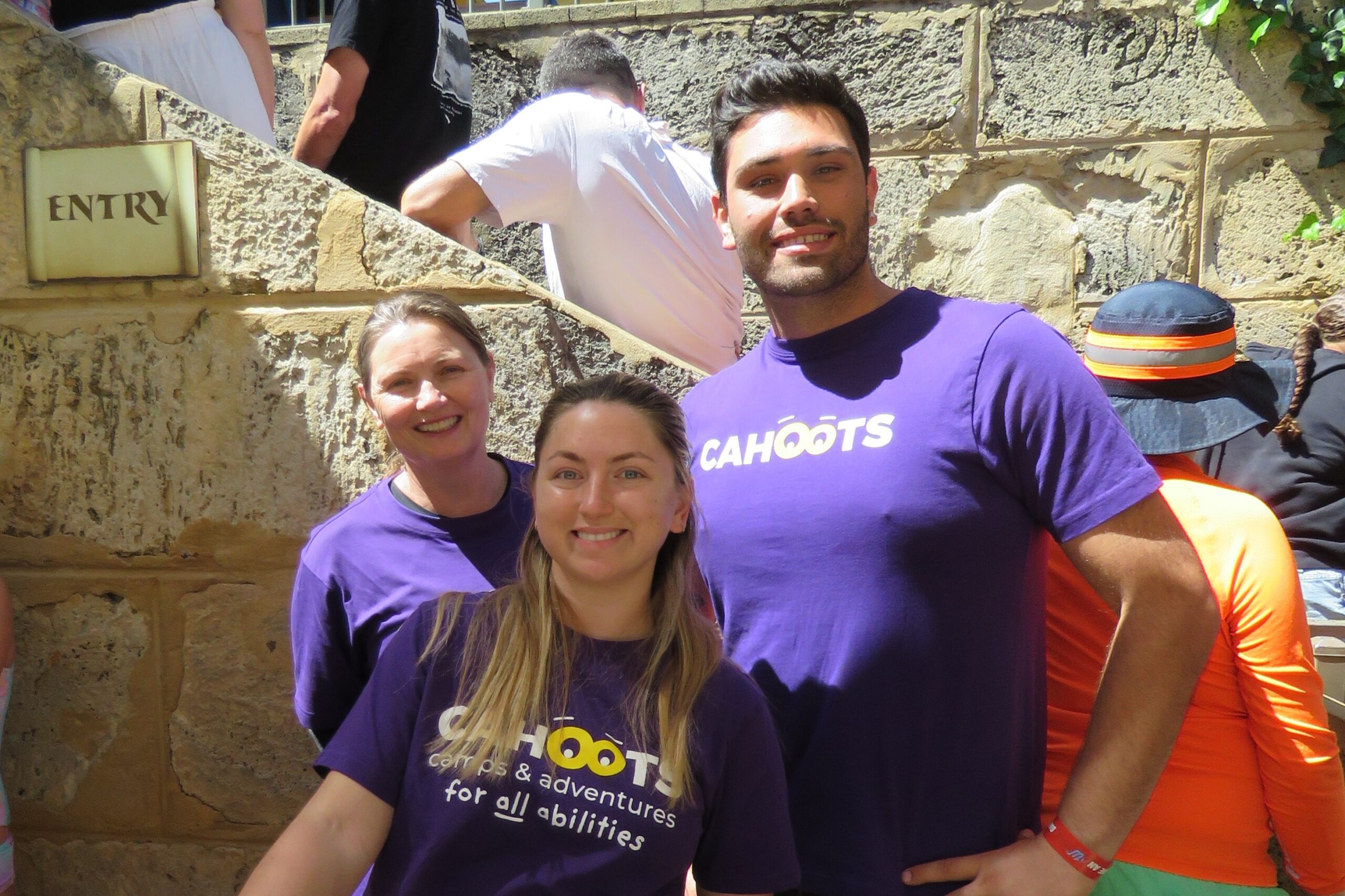
Supporting Your Loved One With Our Team
When you choose Cahoots for day supports, overnight camps or community programs, one of the key people involved in the experience is the Support Worker. For families, it’s helpful to know exactly who this person is, what they do, and how they contribute to the safety, enjoyment and growth of your loved one.
At Cahoots, a Support Worker is more than a chaperone or activity assistant. These are trained, experienced people rostered across camps and programs for children, teens and adults living with disability or facing exceptional challenges. The role is purposeful: to provide high-quality, person-centred support in inclusive settings, helping participants build skills, connections and confidence.
Responsibilities: What a Support Worker Does
Support Workers at Cahoots are directly involved in the delivery of programs and sessions that align with participants’ goals. For example: they help deliver day-programs, weekend supports, school-holiday camps, overnight stays and individualised high-support experiences.
Support Workers ensure participants’ safety and welfare. They provide duty of care at all times, from assisting with personal care, supporting mobility, supervising activities, to managing risk and responding to behavioural or health issues if they arise. Support Workers are expected to manage complex situations, demonstrate excellent judgement and decision-making abilities and support the attainment of participants’ NDIS objectives.
They also facilitate engagement, inclusion and growth. Rather than simply keeping everyone safe, Support Workers at Cahoots actively help participants participate in meaningful activities: developing life skills, forming friendships, accessing the community, trying new experiences in safe settings. For adults, this might involve structured day supports where the team delivers activities designed to build independence and social confidence.
Cahoots Support Workers operate as part of a skilled team environment. They work alongside Facilitators, Volunteers, Student placements and other qualified staff, participating in inductions/training, adhering to policies and ensuring that the supports provided are aligned with the participant’s goals, disability-related needs and NDIS plan.
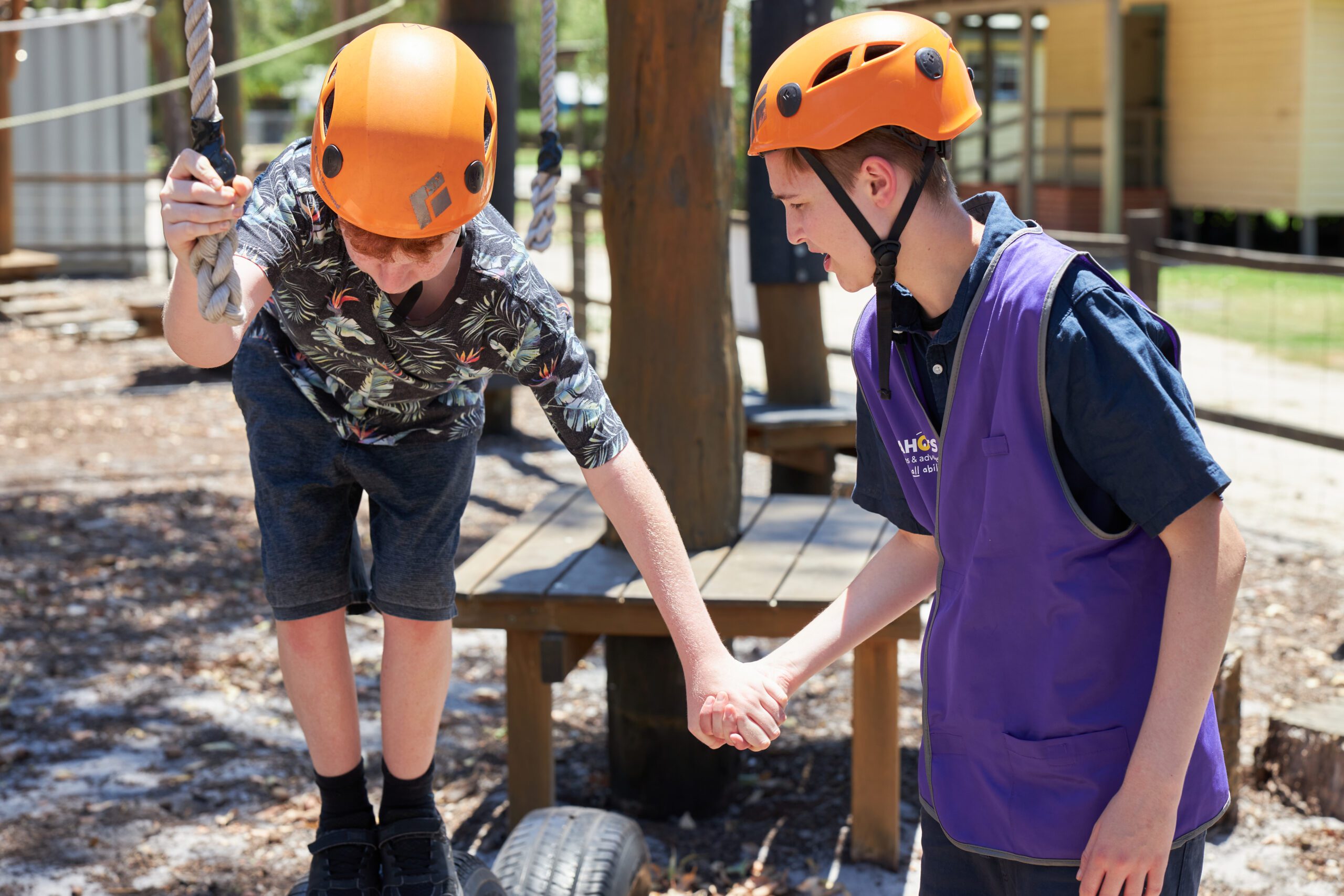
Why this role matters for your family
Understanding the Support Worker role helps families gain confidence in the service being provided.
Support Workers carry direct responsibility for participants’ wellbeing. Cahoots recruits, trains and supports our team and this helps families trust that their loved one is in capable hands.
The role isn’t passive. Support Workers help participants grow; socially, emotionally, physically, and not just occupy the time. For families seeking both respite and developmental support for their loved one, the Support Worker contributes to achieving NDIS-funded goals.
Whether your loved one is a child needing peer-interaction and new skills, a teen challenging their independence, or an adult building community participation, the Support Worker role adapts to that.
At Cahoots, you’re not relying on a single individual. Support Workers operate within a team that emphasises safeguarding, training and continuous improvement. For families, that means there is structure behind the service.
A Cahoots Support Worker is a central figure in your loved one’s experience, a trained, caring, and capable professional who combines safety, support and meaningful activity to help participants develop, belong and enjoy new experiences.
For families and carers, knowing the role of the Support Worker helps you feel confident that the service is not just about keeping your loved one safe, but about providing a supportive environment where they can grow, socialise and thrive.